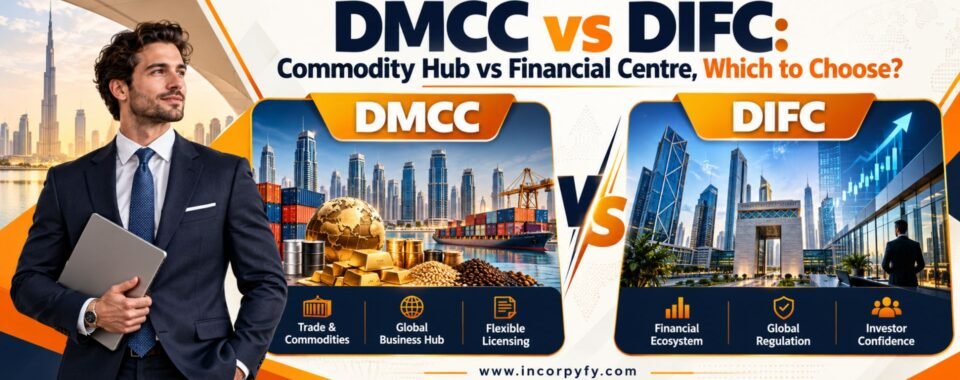
Author: Adil Ahmad Summary DMCC and DIFC are two of Dubai’s most respected free zones, but they serve different businesses. DMCC is built for commodity trading, precious metals and trade-related companies. DIFC is the UAE’s financial free zone for banking, fund management and fintech, regulated by the DFSA. The simple…
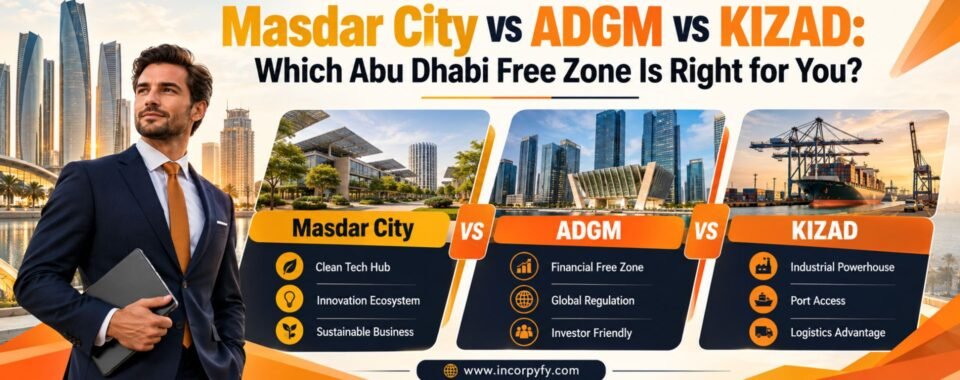
Author: Adil Ahmad Summary Abu Dhabi has three major free zones for most businesses. ADGM suits financial services, holding structures and fintech under English common law. Masdar City suits clean energy, ESG and technology businesses. KIZAD, now marketed under KEZAD, suits manufacturing, logistics and port-linked industry. This guide compares cost,…
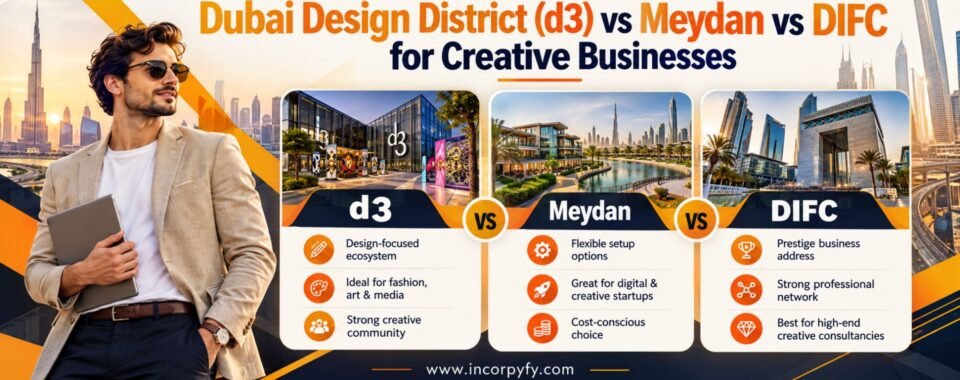
Author: Adil Ahmad Summary For creative businesses in Dubai, Dubai Design District (d3) suits fashion, architecture and luxury brands, Meydan Free Zone is the affordable choice for agencies, digital media and photography, and DIFC suits creative firms with a financial or advisory component, such as art funds and creative IP…
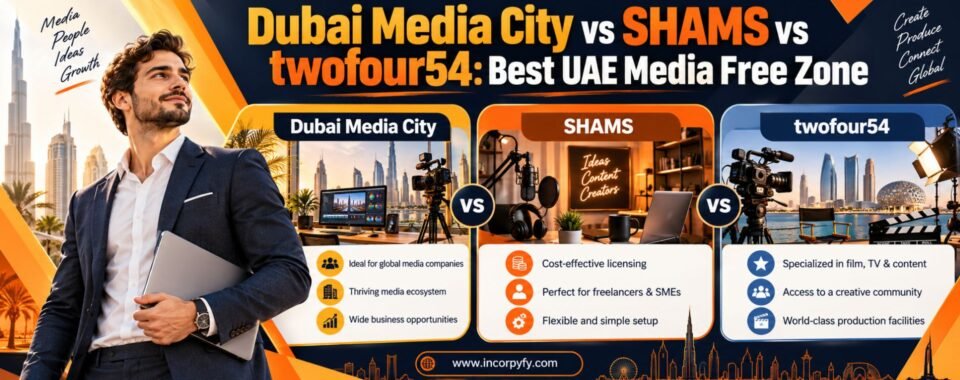
Author: Adil Ahmad Summary Dubai Media City, SHAMS and twofour54 are the UAE’s three most-compared media free zones. Dubai Media City offers a premium Dubai address for broadcast and international media brands. SHAMS in Sharjah is the budget route for freelancers, small studios and creative agencies. twofour54 in Abu Dhabi…
Author: Adil Ahmad Summary RAK ICC and JAFZA Offshore are the UAE’s two main offshore company structures. RAK ICC is the most popular and lowest-cost choice for international holding. JAFZA Offshore costs a little more but is the offshore vehicle commonly used to hold Dubai real estate, subject to Dubai…
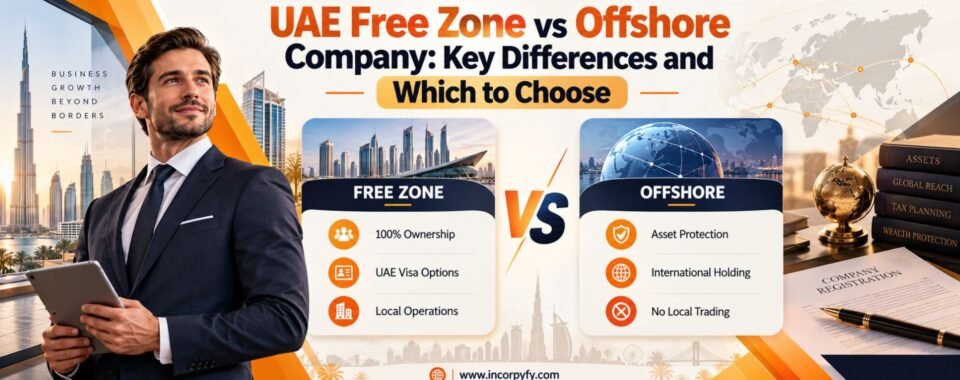
Author: Adil Ahmad Summary A UAE free zone company has a physical UAE address, can sponsor residence visas, open UAE bank accounts and trade within its licence. An offshore company has no UAE address, cannot sponsor visas, finds banking harder and is mainly used to hold assets. Offshore does not…